
Walk into any barbershop in Bangkok on a Saturday and listen to what men are asking for. Nine times out of ten, the word “fade” comes up. It’s been that way for years, and from where I stand behind the chair, it’s not slowing down. The fade has quietly become the foundation of modern men’s hair — the thing that makes a cut look sharp, clean, and finished.
But here’s what most men don’t realise until they sit down: “a fade” isn’t one haircut. It’s a whole family of them. Low, mid, high, skin, taper, burst, drop, temple — each one changes the way your cut looks and how often you’ll need to come back. Asking your barber for “a fade” without knowing which one is a bit like ordering “food” at a restaurant. You’ll get something, but maybe not what you pictured.
So let’s fix that. This is a barber’s honest guide to the fade styles every man should know — what they are, who they suit, how to maintain them, and the mistakes I see guys make every week. By the end, you’ll be able to walk into Z CUTZ (or any barbershop) and ask for exactly the cut you want.
What Is a Fade Haircut?
A fade is a haircut where your hair gradually shortens as it moves down the sides and back of your head, blending from longer hair on top into very short hair — or even bare skin — at the bottom. That smooth, seamless transition is the whole point. There’s no hard line where long suddenly becomes short; it fades, which is exactly where the name comes from.
The magic is in the blend. A great fade has no visible steps or patches — just a clean gradient that draws the eye up toward the hair on top. The type of fade simply refers to where that blend starts and how short it goes.
In short: A fade haircut blends hair from longer on top to shorter on the sides and back, tapering into the skin or close to it. The different fade types are defined by where the blend begins (low, mid, or high on the head) and how much contrast it creates.
Why Fade Haircuts Never Go Out of Style
Trends in men’s hair come and go. The fade stays. After years behind the chair, I think there are four real reasons for that.
It always looks clean. A fade keeps the sides and neckline tidy, so even when the hair on top grows out a little, the overall cut still reads as sharp and intentional. There’s no shaggy, overgrown look creeping in around the ears.
It reads as professional. A well-executed fade looks polished in an office, at a wedding, or out on a Friday night. It’s neat without being boring, modern without being loud. That versatility is gold for working men.
It works with almost anything on top. Pompadour, quiff, textured crop, slick back, curls, or a simple short crop — a fade frames them all. You can change your style on top every few months and keep the same fade underneath.
It suits most hair types. Straight, wavy, curly, thick, thin — a skilled barber can adapt a fade to all of them. The technique changes, but the result still works.
That combination of clean, professional, versatile and universal is why the fade has earned its place as the default modern men’s cut.
8 Popular Fade Styles Every Man Should Know
Here’s where it gets practical. These are the eight fades worth knowing, with honest notes on who each one actually suits.
1. Low Fade
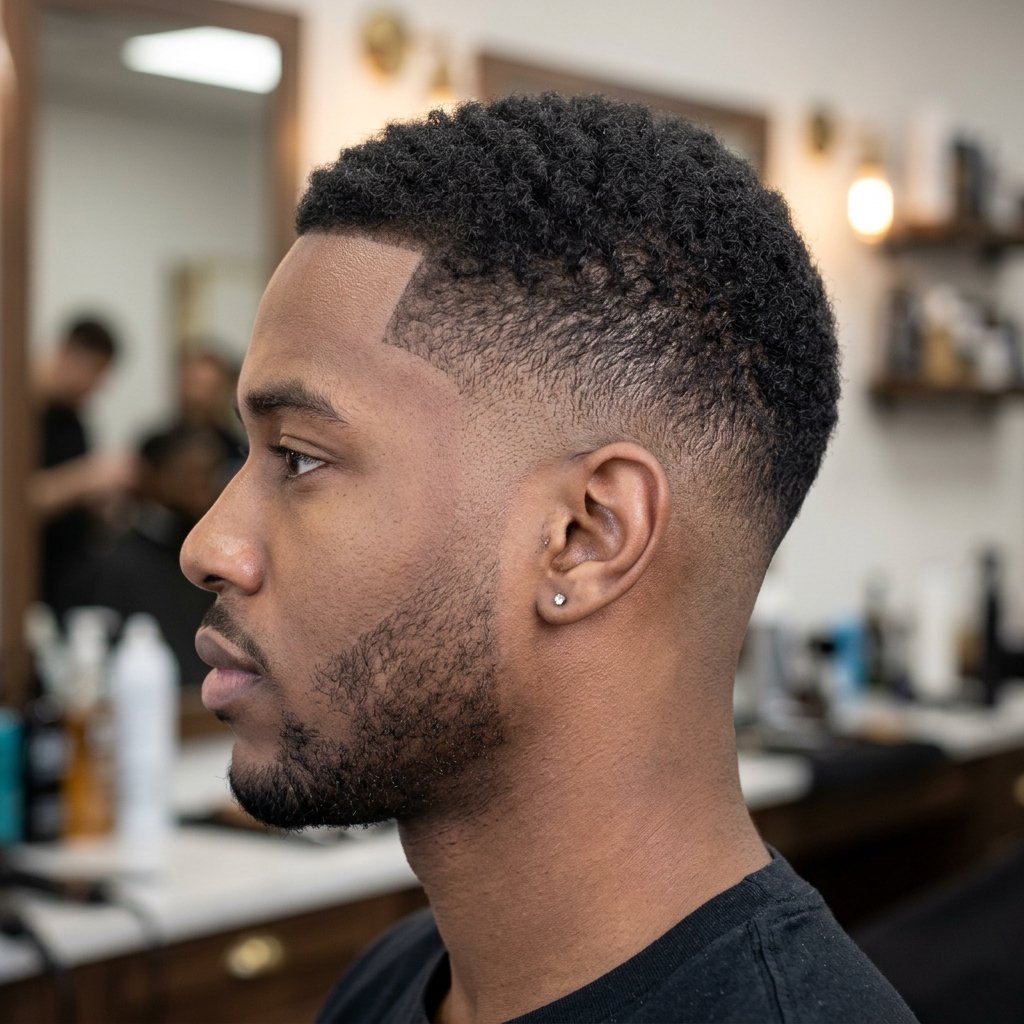
The low fade starts the blend low on the head — just above the ears and around the neckline — and keeps more length on the sides. It’s subtle, understated, and the most conservative of the fades.
- Best face shapes: Almost all, especially oval and square.
- Best hair types: Every type; particularly good for straight and wavy hair.
- Maintenance: Low to medium — grows out gracefully.
- Who should choose it: First-timers, professionals in conservative workplaces, and anyone who wants a clean look without strong contrast. If you’re nervous about going too bold, start here.
2. Mid Fade
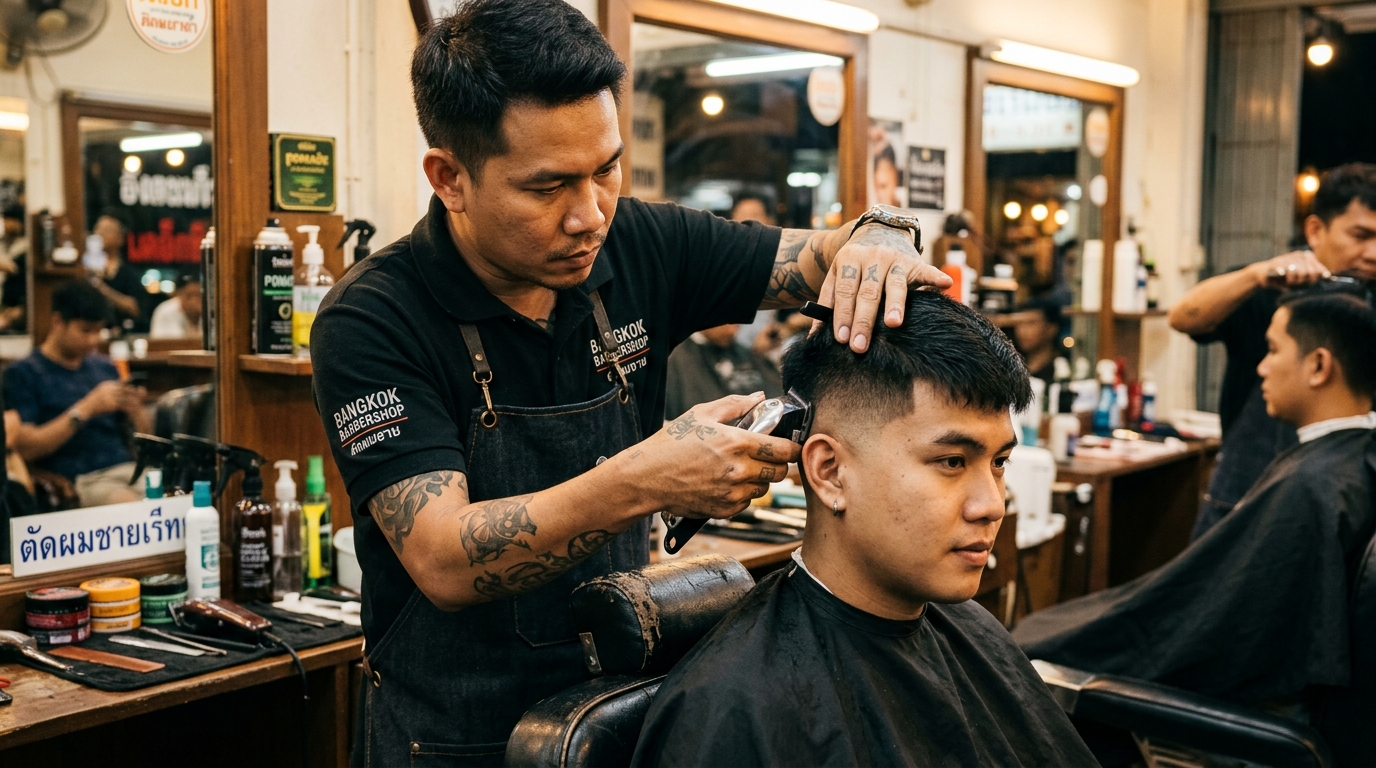
The mid fade begins around the temples — right between low and high. It’s the most balanced fade and, in my chair, easily the most requested. It gives you noticeable contrast and a modern edge without going extreme.
- Best face shapes: Oval, round, square.
- Best hair types: All types; very forgiving.
- Maintenance: Medium — touch up every 2–3 weeks.
- Who should choose it: Honestly, most men. If you don’t know which fade to get, this is the safe, sharp default.
3. High Fade
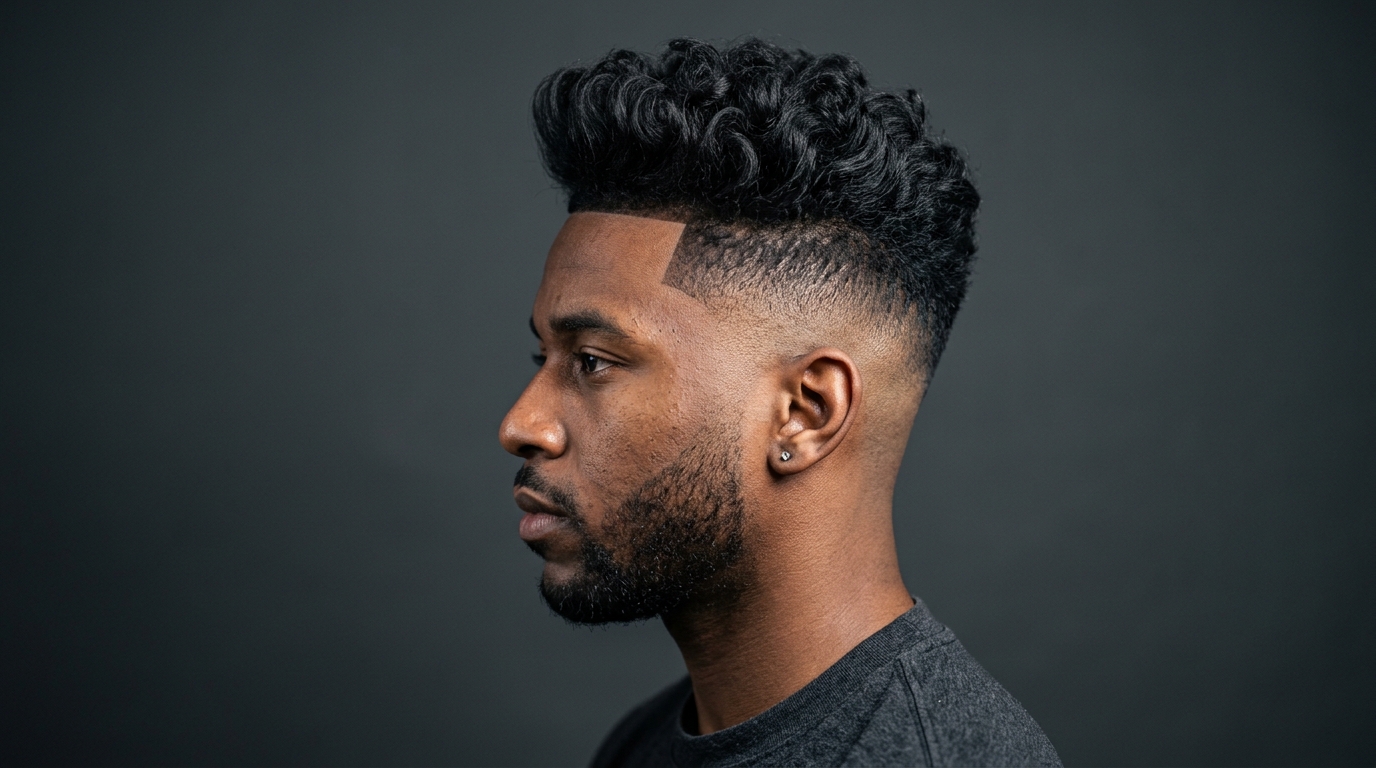
The high fade takes the blend up near the top of the head, leaving the sides very short and creating a bold, dramatic contrast with the hair on top. It’s striking and modern.
- Best face shapes: Oval, round (it adds height and slims the face).
- Best hair types: Works best with hair that has volume or texture on top.
- Maintenance: Higher — the contrast looks best when it’s fresh.
- Who should choose it: Men who want a statement cut and like a defined, edgy look. Great paired with a pompadour or textured crop.
4. Skin Fade
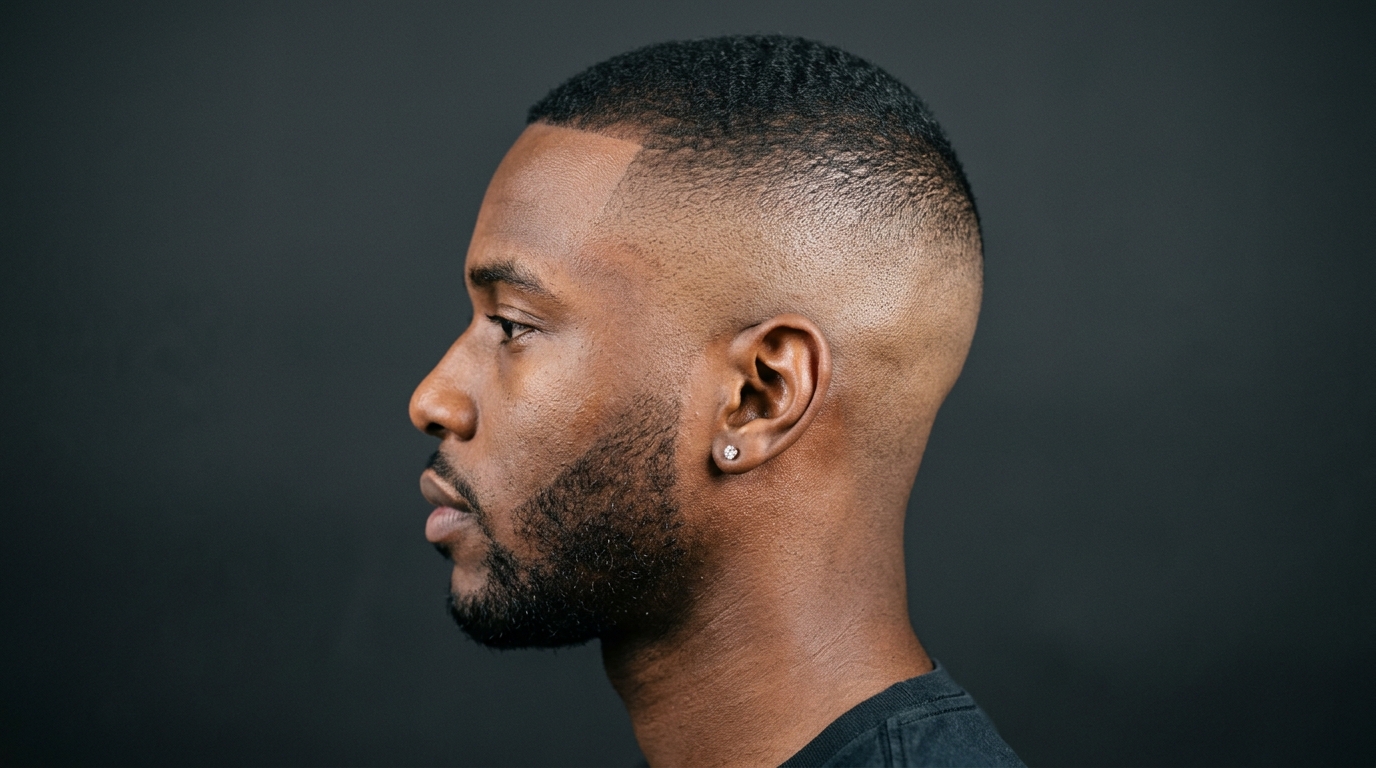
Also called a bald fade. Any fade — low, mid or high — can be taken all the way down to the skin at the shortest point, where it’s shaved completely bare. This gives you the cleanest, sharpest contrast possible.
- Best face shapes: Oval, round, square (depending on where you set the fade height).
- Best hair types: All, though very fine hair shows the transition beautifully.
- Maintenance: High — the skin grows out fast, so every 1–2 weeks keeps it crisp.
- Who should choose it: Men who love an ultra-clean, modern look and don’t mind regular visits. If you want maximum sharpness, this is it.
5. Taper Fade
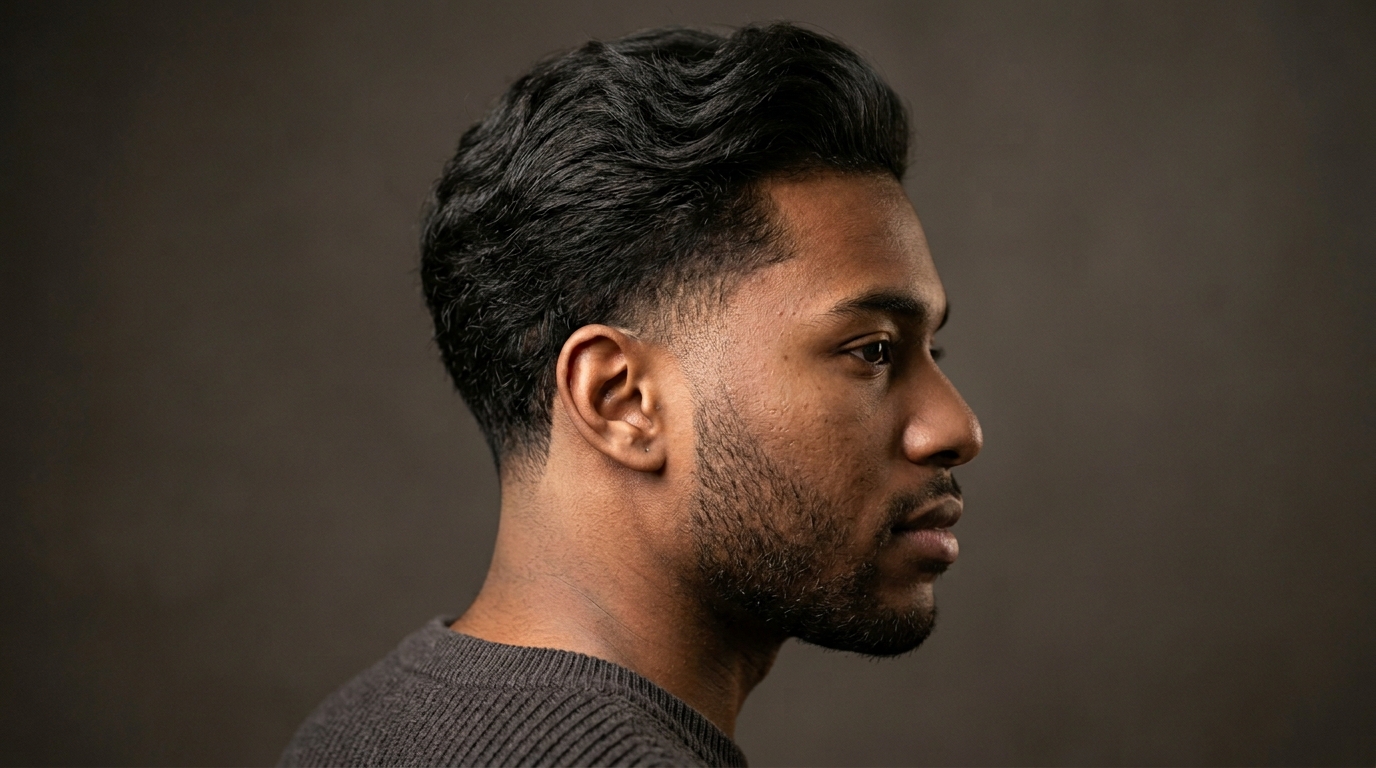
People mix these up constantly, so let me clear it up: a taper is gentler than a full fade. A taper fade gradually shortens the hair only around the edges — the sideburns and the back of the neck — while leaving more length on the sides overall. It’s the most natural and subtle option of all.
- Best face shapes: All, especially long or oblong faces.
- Best hair types: All types.
- Maintenance: Low — one of the easiest to grow out.
- Who should choose it: Men who want a clean, conservative finish, older gentlemen, and anyone in a strict professional environment. It’s classic and timeless.
6. Burst Fade
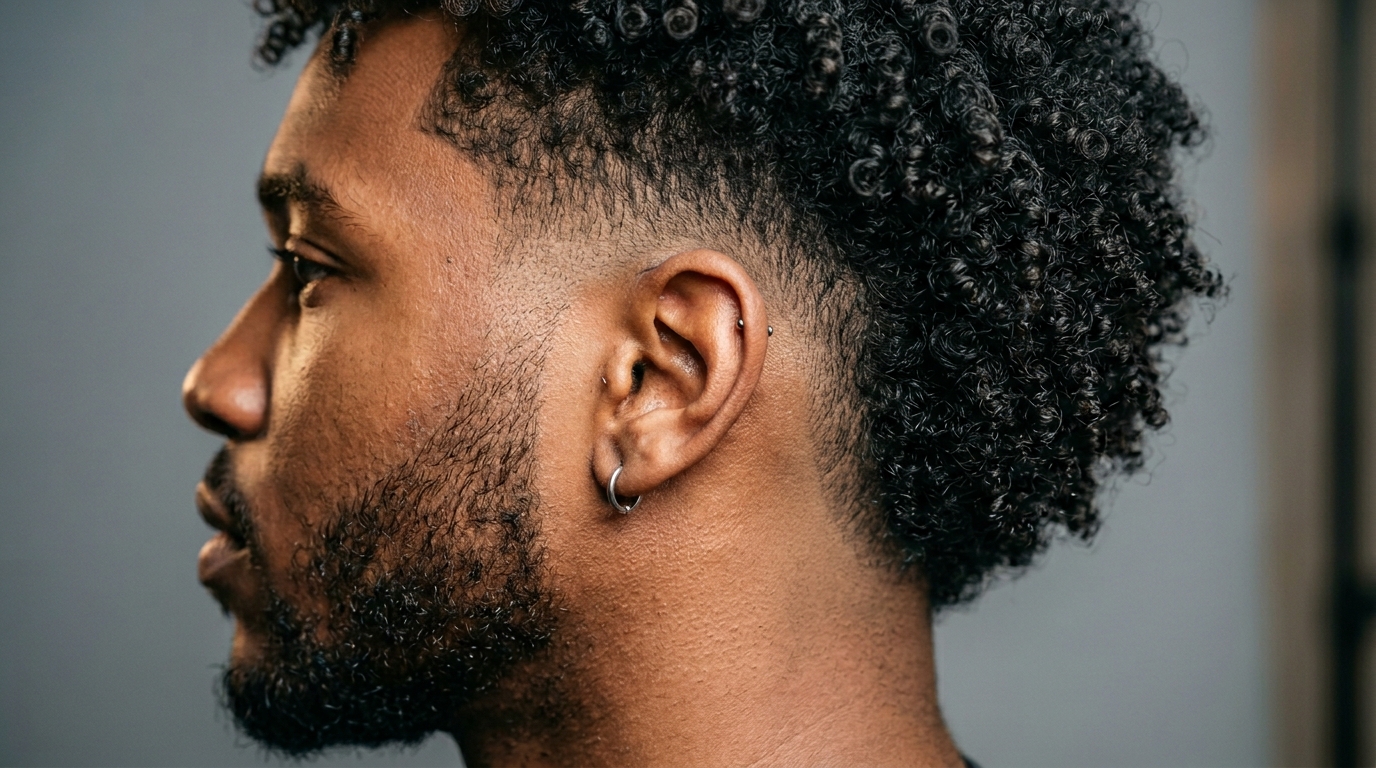
The burst fade curves around the ear, fanning out like a “burst” and leaving the back and neckline longer. It’s popular with textured styles, mohawks, and curly hair, and it has a distinctly modern, stylish feel.
- Best face shapes: Oval, heart, diamond.
- Best hair types: Curly and textured hair really shine with this one.
- Maintenance: Medium to high.
- Who should choose it: Younger guys and trend-forward men who want something a little different from the standard fade. Great with curls and edgy styles.
7. Drop Fade
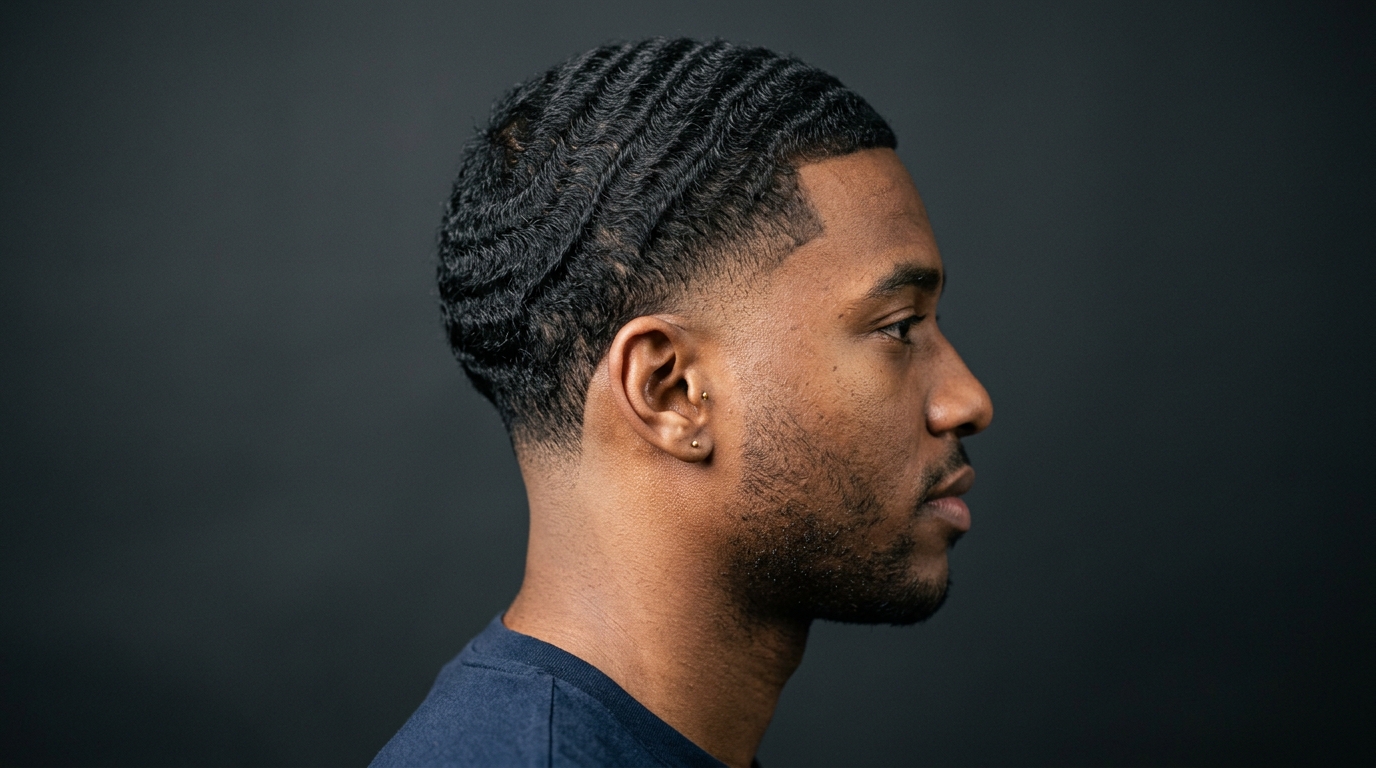
The drop fade “drops” lower behind the ear, following the curve of the head down toward the neck. This creates an arc that follows your hairline and gives a clean, rounded finish. It pairs beautifully with curly hair and longer styles on top.
- Best face shapes: Square, diamond, oval.
- Best hair types: Curly, wavy, and thick hair.
- Maintenance: Medium.
- Who should choose it: Men who want a modern twist on a standard fade and have some texture or length up top to show it off.
8. Temple Fade
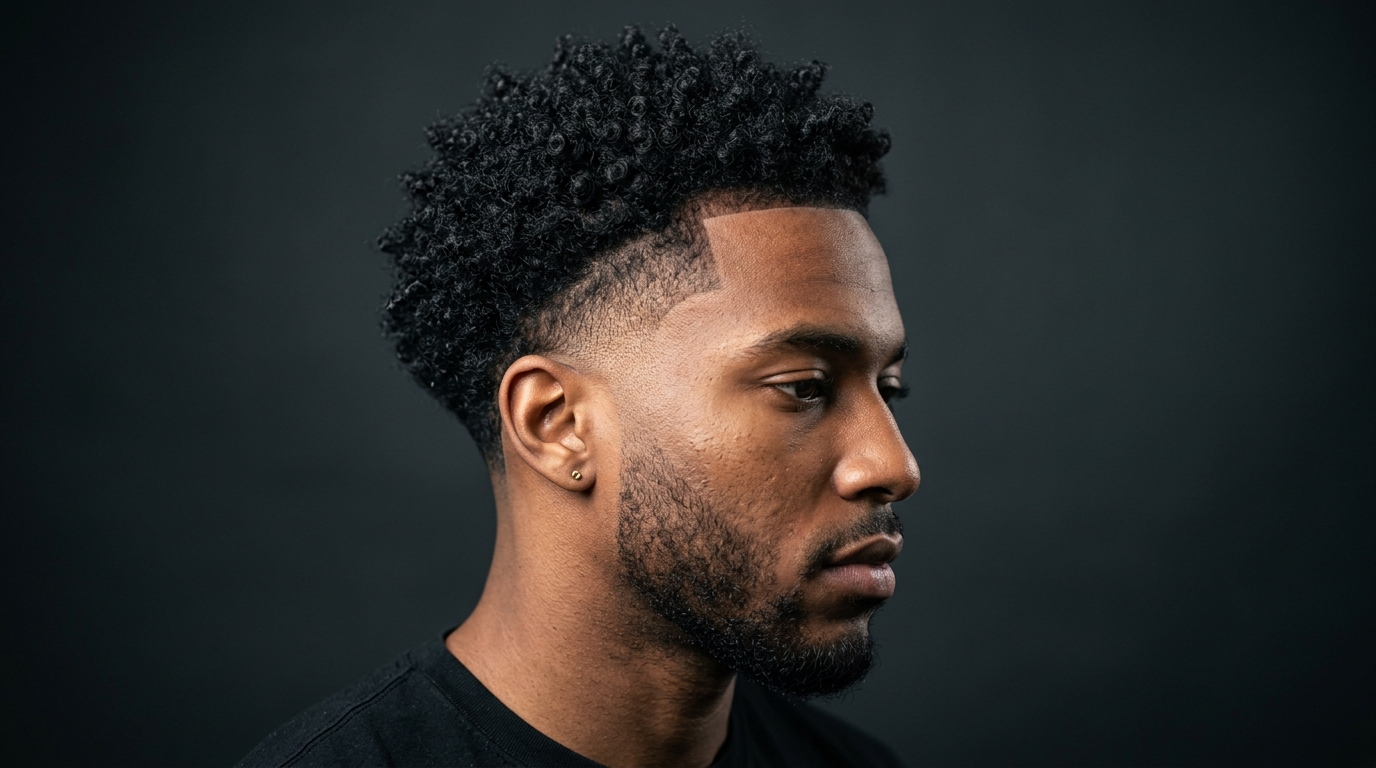
Also known as a Brooklyn fade or blowout fade, the temple fade focuses the fade only around the temples and the hairline, leaving the rest of the hair fuller. It’s a great low-commitment option that keeps your natural shape while cleaning up the edges.
- Best face shapes: All, especially round and oval.
- Best hair types: Excellent for curly and Afro-textured hair.
- Maintenance: Low to medium.
- Who should choose it: Men who want their edges sharp but prefer to keep most of their hair, and anyone with curls who wants definition without losing volume.
Fade Styles Comparison Table
| Fade Type | Boldness | Maintenance | Best Hair Type | Best Face Shape |
|---|---|---|---|---|
| Low Fade | Subtle | Low–Medium | All types | Oval, Square |
| Mid Fade | Balanced | Medium | All types | Oval, Round, Square |
| High Fade | Bold | High | Volume/textured | Oval, Round |
| Skin Fade | Very Bold | High | All (great on fine) | Oval, Round, Square |
| Taper Fade | Very Subtle | Low | All types | Long, Oblong, All |
| Burst Fade | Modern/Bold | Medium–High | Curly, textured | Oval, Heart, Diamond |
| Drop Fade | Modern | Medium | Curly, wavy, thick | Square, Diamond, Oval |
| Temple Fade | Subtle | Low–Medium | Curly, Afro-textured | Round, Oval, All |
How To Choose The Right Fade For Your Face Shape
This is the part most men skip — and it’s the most important. The right fade works with your face shape, not against it. Here’s how I guide clients at Z CUTZ.
Oval. You’ve got the most balanced face shape, which means almost any fade works. Pick based on the style you want on top and how bold you feel. Lucky you.
Round. Your goal is to add height and create the illusion of length. Go for a high fade or mid fade with volume on top — it draws the eye upward and slims the face. Avoid keeping too much bulk on the sides.
Square. You already have a strong, defined jaw, so you don’t need extreme contrast. A low fade or mid fade complements your structure without overpowering it. Keep a bit of texture on top for balance.
Diamond. With wider cheekbones and a narrower forehead and chin, you want fullness up top and clean sides. A drop fade or burst fade works well, adding shape without widening the cheeks.
Heart. A broader forehead tapering to a narrower chin calls for a bit more weight in the lower part of the style. A burst fade or a softer mid fade with texture on top balances things out nicely.
Not sure about your face shape? Don’t stress over it. A good barber will look at your face, your hair type, and your lifestyle and recommend the right fade on the spot. That’s exactly what we do.
How Often Should You Get a Fade?
Here’s my honest professional answer: it depends on the fade and how sharp you want to look.
- Skin / bald fades: Every 1–2 weeks. The bare skin grows out fastest and the contrast softens quickly.
- High and mid fades: Every 2–3 weeks to keep the contrast crisp.
- Low and taper fades: Every 3–4 weeks; these grow out the most gracefully.
If you can’t get in that often, ask your barber for a low or taper fade — they hold their shape longer and forgive a few extra weeks between visits. A quick neckline and sideburn cleanup in between can also stretch a fade an extra week or two.
Common Fade Haircut Mistakes
I see the same handful of mistakes over and over. Avoid these and your fades will look far better.
Choosing a trend over your face shape. Just because a high skin fade looks great on someone online doesn’t mean it suits you. The best cut is the one that flatters your features — not the one with the most likes.
Waiting too long between cuts. A fade is at its best in the first couple of weeks. Leave it too long and that clean gradient turns into a shapeless, grown-out mess. Book before it gets to that point, not after.
Poor communication with your barber. “Just a fade” tells me almost nothing. Tell your barber the fade height (low, mid, high), how short you want the bottom (skin or a guard length), and what you want on top. Better yet, bring a photo. We don’t mind — it helps us nail it.
Using the wrong styling products. A sharp fade deserves the right finish. Heavy, greasy products can flatten textured styles, while the wrong product for your hair type leaves the top looking dull. Ask your barber what suits your hair — it makes a real difference.
Why Professional Barbers Create Better Fades
You can buy clippers online, but a clean fade is genuinely hard to do well — and even harder to do on yourself. Here’s where professional skill earns its place.
Blending technique. A seamless fade comes from working through multiple clipper guard lengths and “blending out” the lines between them. It takes a trained eye and a steady hand to make that transition invisible. This is the single biggest difference between an amateur fade and a professional one.
Precision work. The detailing around the ears, the neckline, and the corners is what separates a sharp cut from a sloppy one. Those few millimetres are everything.
Hairline detailing. A clean line-up frames your whole face. Done right, it’s crisp and natural; done wrong, it can look harsh or pushed back. A professional knows how to shape your natural hairline without overdoing it.
Personalised recommendations. A good barber reads your hair growth patterns, cowlicks, density and face shape, then adapts the fade to suit you. That tailored judgement is something no tutorial can give you.
At Z CUTZ, our barbers train specifically on blending and precision, because we know the fade is the cut Bangkok men ask for most — and it’s the one that has to be perfect every time.
Get Your Perfect Fade at Z CUTZ Barbershop
If you want a fade that’s genuinely sharp — clean lines, flawless blending, and a finish that turns heads — that’s exactly what we do best. Our experienced barbers take the time to recommend the right fade for your hair type and face shape, then execute it with the attention to detail that’s become our signature.
With multiple locations across Bangkok and easy online booking, getting a fresh fade has never been simpler. Whether you’re after a subtle low fade for the office or a bold skin fade for the weekend, the chair’s ready when you are.
Looking for a fresh fade or haircut? Visit our Haircut Service page to book your next appointment with a Z CUTZ barber.
Frequently Asked Questions
What is the most popular fade style? The mid fade is the most popular and most requested fade. It sits between a low and high fade, offering a balanced, modern look with clean contrast that suits most face shapes and hair types — which is why it’s our most-booked fade at Z CUTZ.
What’s the difference between a fade and a taper? A fade blends the hair all the way down to the skin or very short at the bottom, while a taper is gentler and only gradually shortens the hair around the edges — the sideburns and neckline — leaving more length on the sides. Every fade is a taper, but not every taper is a fade.
Which fade lasts the longest? Low fades and taper fades last the longest because they keep more length on the sides and grow out more gracefully. Skin fades fade fastest and need a touch-up every one to two weeks.
Is a skin fade high maintenance? Yes. Because the sides are shaved to bare skin, a skin fade grows out quickly and looks best when fresh. To keep it sharp, plan on a touch-up every one to two weeks.
Which fade suits curly hair? Burst fades, drop fades and temple fades all work beautifully with curly and textured hair. They define the edges and add shape while letting your natural curls stand out on top.
Which fade suits a round face? A high fade or a mid fade with volume on top suits a round face best, because the added height creates length and slims the face. Avoid keeping too much bulk on the sides.
How often should I get a fade? For a crisp look, get a skin fade every one to two weeks, a high or mid fade every two to three weeks, and a low or taper fade every three to four weeks.
Can older men wear fades? Absolutely. A subtle low fade or a taper fade looks clean, classic and age-appropriate on older men. Fades aren’t just for young guys — it’s all about choosing the right height and length.
What products work best with fades? It depends on your style on top. Matte clays and pastes suit textured crops, pomades work for slick or classic looks, and a light sea-salt spray adds texture for natural styles. Ask your barber to match a product to your hair type.
Are fades suitable for professional workplaces? Yes. Low fades and taper fades are clean, neat and conservative enough for any professional environment, while still looking modern and well-groomed.
Conclusion
The fade has earned its place as the cornerstone of modern men’s hair for good reason — it’s clean, versatile, professional, and works on almost everyone. The key is knowing your options. Whether it’s a subtle low fade, a balanced mid fade, an ultra-sharp skin fade, or a textured burst fade for your curls, the right choice comes down to your face shape, your hair type, and how often you can keep it fresh.
Now that you know the eight fades worth knowing and how to choose between them, the only thing left is to sit in the chair. Book your fade at Z CUTZ Barbershop in Bangkok and let our barbers give you a cut that’s sharp, clean, and made for you.